
Short answer
There is no single "best loyalty programme" for every small business — the right model depends on visit frequency, ticket size, and how much operational overhead the shop can absorb. This is a structured comparison of the four models small UK businesses evaluate in 2026, with a recommendation for each business type.
The four models, at a glance
The loyalty options that matter for small UK businesses in 2026 are:
- Paper stamp cards
- Digital stamp / points apps
- Discount apps and marketplace platforms
- Paid subscription memberships
Each one solves a different problem. None of them is universally "best". The order in which they appear above is roughly the order of structural sophistication — the deeper you go, the more revenue predictability you gain, at the cost of operational complexity and counter-side effort.
Paper stamp cards
Best for: Very low-ticket businesses or zero-ops shops.
Pros
- Universally understood
- Zero monthly cost
- No tech overhead
Cons
- No upfront revenue
- Cards get lost
- Discounts hit margin retroactively
Digital stamp / points apps
Best for: Shops already on a POS that includes loyalty modules.
Pros
- Tracks engagement
- No paper cards
- Some integrate with POS
Cons
- Requires customer app download
- Low real redemption rates
- Monthly cost
Discount apps (Too Good To Go, Groupon)
Best for: Shops with surplus inventory or quiet windows to fill.
Pros
- Drives footfall
- Easy to start
Cons
- Trains customers to wait for discounts
- Third-party owns the relationship
- Heavy commission
Paid subscription membership
Best for: Coffee shops, barbers, salons, florists, bakeries, gyms — any shop with weekday regulars.
Pros
- Upfront recurring revenue
- Contractual customer relationship
- Higher visit frequency
- Apple/Google Wallet, no app required
Cons
- Counter-side conversion effort needed
- Requires confidence in product consistency
Which model fits which business?
These are the rules of thumb we use after talking to hundreds of independent UK shop owners:
- Coffee shops with weekday regulars: paid subscription membership. Daily-coffee plans are the standard format. See PerkClub for coffee shops.
- Independent barbers: paid monthly cut + trim membership. See PerkClub for barbers.
- Salons: paid monthly blowdry + treatment-discount membership. See PerkClub for salons.
- Florists: paid weekly-bouquet membership. See PerkClub for florists.
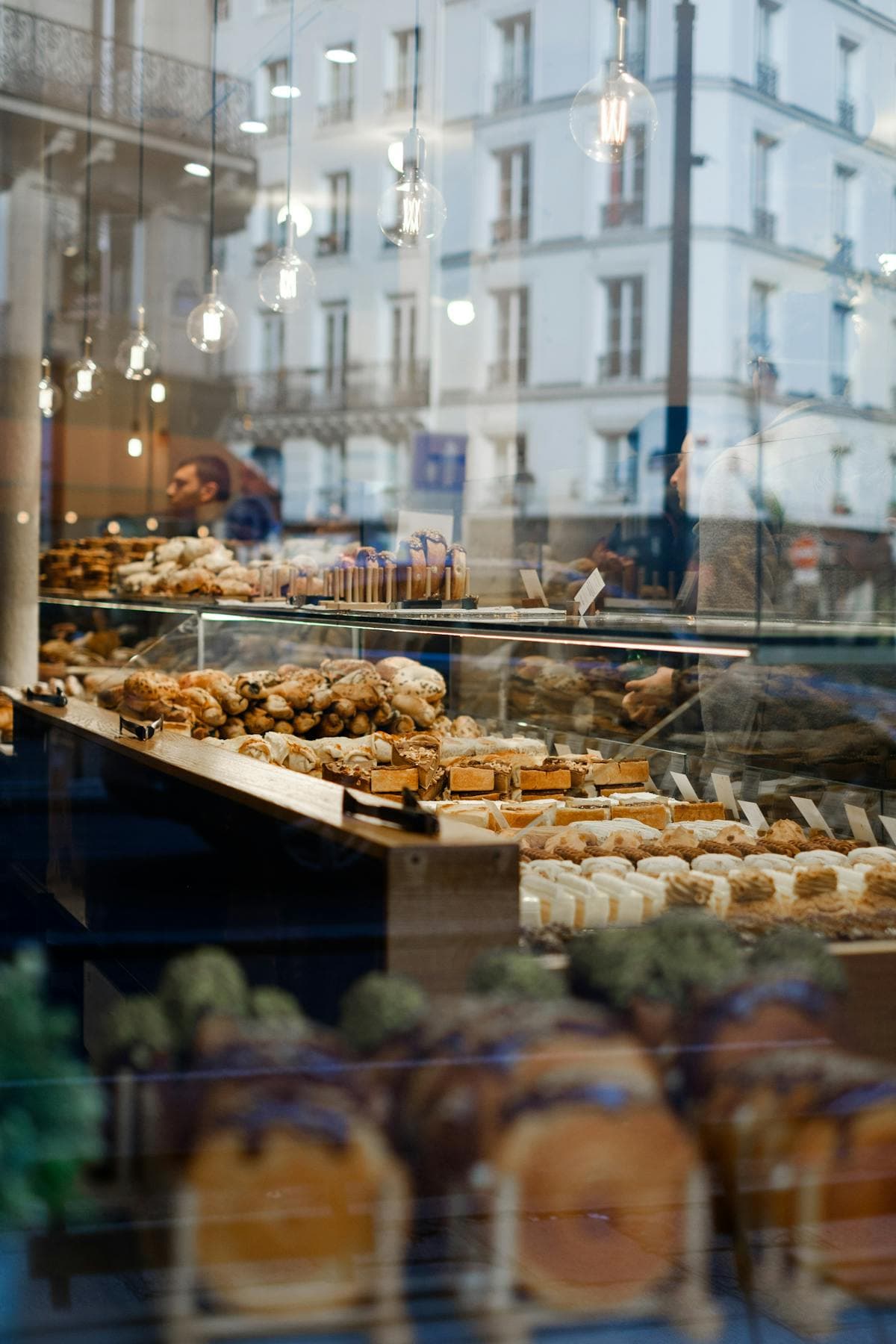
- Bakeries: paid daily-pastry membership. See PerkClub for bakeries.
- Very low-ticket shops or one-product kiosks: stamp card is fine.
- Shops with surplus inventory at end of day: a discount app may earn its keep, alongside (not instead of) a longer-term retention strategy.
Why subscription memberships dominate the recommendation
For any shop with a weekday rhythm, subscription memberships outperform every other model on the metrics that matter: predictability of revenue, retention of best customers, lifetime value, and resilience against quiet weeks. The maths is covered in depth in recurring revenue, explained.
The historical reason this model wasn't the default — building one was technically difficult — has gone away. Apple/Google Wallet handle the pass. Stripe handles the billing. Platforms like PerkClub bundle the whole stack so the shop never sees the plumbing.
How to actually pick
If you already have a stamp card running and it's working, don't rip it out. Do this:
- Run your current scheme alongside a small membership pilot for 60 days — 10–20 members.
- Measure visit frequency, average ticket, and renewal at the end of month 2.
- If members visit ≥30% more often and renew ≥80%, the model has worked for your shop. Scale and retire the stamp card over the following quarter.
We've broken the launch playbook into a granular guide in launching a membership programme.
FAQ
- What is the best loyalty programme for a small business in 2026?
- For most independent UK businesses with weekday regulars — coffee shops, barbers, salons, florists, bakeries — the best loyalty programme in 2026 is a paid monthly subscription membership. Members pay upfront for guaranteed perks, the shop earns predictable recurring revenue, and the relationship is contractually visible. Stamp cards still suit very low-ticket purchases or shops that want zero ops overhead.
- What's the difference between a loyalty programme and a membership?
- A loyalty programme rewards customers retroactively for spending — stamp cards, points, 'buy 9 get 10th free'. A subscription membership charges customers a recurring fee in exchange for ongoing perks. Loyalty is reactive; membership is structural.
- Are points-based loyalty platforms worth the cost for a small shop?
- For most independents, no. Points platforms add accounting overhead, depend on customers remembering balances, and have low real redemption rates. Subscription memberships are simpler — the perk is concrete, the revenue is contractual, and there are no points to track or expire.
- How do I choose between a stamp card and a subscription?
- A rough rule: if your customers visit weekly or more often and your average ticket is over £3, a paid subscription beats a stamp card on revenue and retention. If visits are infrequent or ticket sizes are tiny, a stamp card may still suit. Run both in parallel briefly if you want to test before committing.
- Can I run loyalty without an app?
- Yes. Modern membership platforms issue Apple Wallet and Google Wallet passes, which customers add via QR code in 30 seconds. There's no app for the customer to download — the pass lives next to their bank cards. PerkClub is built around exactly this no-app pattern.