
Short answer
Most local shops run on the oldest business model there is: a customer walks in, buys something, walks out, and you hope they come back. It works, but it leaves you guessing every month. The membership business model offers an alternative — and it's quietly becoming one of the most reliable ways for independent businesses to steady their income. This guide explains what it is, how it differs from pay-per-visit and discounts, and what it looks like on a real high street.
What is a membership business model?
A membership business model charges customers a recurring fee — usually monthly — in exchange for ongoing perks, rather than billing them for each individual visit. It's the same subscription business model behind gyms, streaming services, and your phone contract, adapted for local and independent businesses. The customer pays upfront; you deliver value over time; and both sides know what to expect.
This is exactly the model that membership software is built to run. PerkClub is membership software that helps independent businesses create recurring revenue through customer subscriptions — which is the membership business model in a single sentence. If you want the tooling side of the picture, our guide on what membership software is covers it in full.
How is it different from loyalty or discounts?
It helps to line up three models side by side:
- Pay-per-visit. The default. Revenue is whatever the till delivers that day, and every visit is a fresh decision for the customer. No predictability, no commitment.
- Discount-based loyalty. Stamp cards and points reward spending after the fact. They nudge repeat visits but give away margin, and they only do anything if the customer chooses to come back.
- Membership. The customer pays upfront for guaranteed perks. Revenue arrives whether or not they visit this week, and the relationship is contractual rather than occasional.
The key shift is from reactive to structural. Loyalty reacts to spending; membership builds an income floor underneath it. We've written the full comparison in membership vs loyalty, but the short version is that for a shop with regular customers, membership earns more and predicts better.
Why does recurring revenue matter for small businesses?
For a small business, the hardest part isn't usually the work — it's the uncertainty. Rent, payroll, and stock are fixed costs that arrive on a schedule, but pay-per-visit income doesn't. Recurring revenue closes that gap. It's money you can count on before the month begins, which changes how you plan everything else.
It also changes customer behaviour in your favour. Because members have already paid, they come back more often — across PerkClub shops, members visit around eight times more than they did before joining. They also spend 15–25% more on add-ons like food, retail, or treatments once they're through the door. And keeping an existing customer is far cheaper than winning a new one: in independent retail, acquiring a new customer typically costs five to ten times more than retaining an existing one. A membership locks that retention in. We go deeper on the economics in recurring revenue, explained.
What does the membership model look like for a café, barber, or salon?
The model adapts to whatever your customers come in for. A few real-world shapes:
- Café: a daily-coffee membership at roughly £30–£50 a month. The morning coffee becomes a routine rather than a daily decision.
- Barber: a monthly cut plus a mid-month tidy-up, typically £40–£60 a month, turning a six-weekly debate into a standing arrangement.
- Salon: a monthly blow-dry with discounts on colour and retail, usually £45–£70 a month, which locks in the four- to six-week visit rhythm before the client leaves the chair.
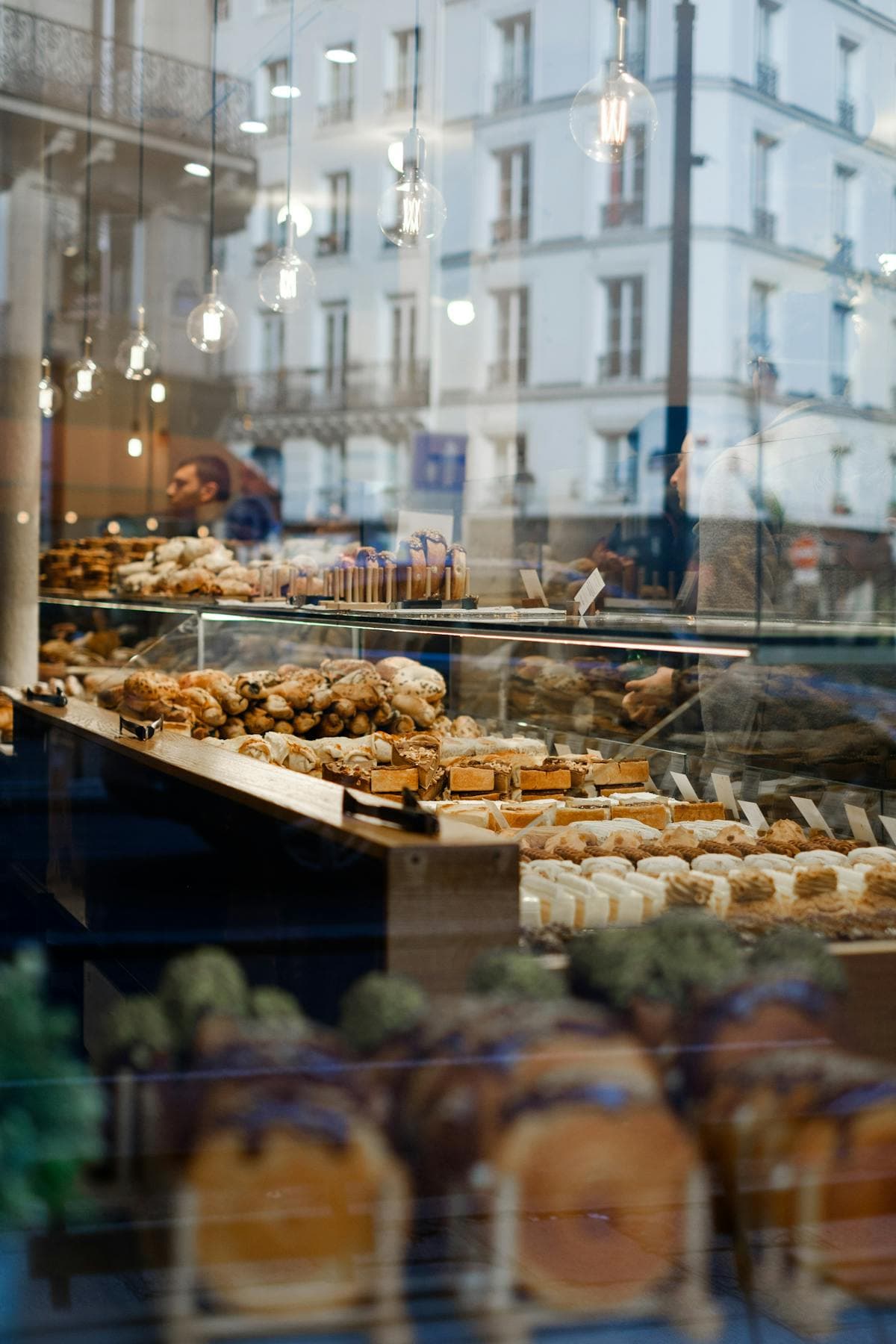
- Bakery: a daily-pastry plan around £32–£45 a month, which also smooths bake-to-demand forecasting.
- Florist: a weekly-bouquet subscription in the £75–£110 band, turning stem ordering from guesswork into a forecast.
For a worked example with perks and the counter conversation, see our guide for coffee shops.
How do you price a membership?
Pricing is where the membership model lives or dies. The principle is simple: start from the marginal cost of the perk at its usage cap, then add enough margin that the tier stays profitable even for your heaviest users. Anchor the price against what a member would otherwise spend, account for card and platform fees, and resist the temptation to underprice your first tier.
The point is to land on a price that feels like obvious value to the customer while still protecting your margin — that's the membership that renews. Healthy independent programmes see at least 80% of members renew by month three, and renewal often runs in the 85–95% range once the perk mix and price are well calibrated. For the full pricing maths, read how to price a membership or use the calculator on the pricing page.
Is the membership model right for my business?
The membership business model fits best when your customers have a regular rhythm — they come in daily, weekly, or monthly, and you can offer a perk they'd genuinely use that often. If your average sale is tiny and visits are infrequent, a recurring fee may not slot in cleanly, and a simple loyalty scheme might serve you better.
But for most independent shops with weekday regulars — coffee shops, barbers, salons, bakeries, florists — the membership model turns unpredictable footfall into recurring revenue you can build a business around. If that sounds like your shop, the calculator on the pricing page shows what fifty members would do for your monthly revenue, and membership vs loyalty helps you decide which model fits.